Does weight loss medication cause hair loss?
Let’s jump straight to the facts. There is no clinical evidence to suggest that hair loss is a direct side effect of GLP-1 medication.
That said, we've heard it, and seen it time and time again from our clients, so while the medication itself isn’t to blame — any drastic lifestyle change can send our bodies into a spin, and often, our hair is the first thing to speak up.

Weight loss medication can be genuinely life-changing, even beyond the scales. It can just take a little time for your body to catch up with its new way of life.
This 2021 review found that sudden weight loss is a well-recognised trigger for temporary hair shedding, or telogen effluvium if you want to get all clinical about it.
With more and more of our clients embarking on weight loss journeys, we thought it was the perfect moment to share what we know about what's actually going on, and what you can do to protect your locks along the way.
What's actually happening?
So, on any given day, the average person loses around 100 hairs, that's completely normal. However, if you’re experiencing telogen effluvium triggered by rapid weight loss, you might start noticing a lot more hair on your brush, in the plughole, or on your pillow. We're talking up to 300 hairs a day.
The frustrating part?
It’s usually a delayed reaction. Shedding often begins two to three months after the trigger event which can make it difficult to connect cause and impact.
The reassuring part?
In most cases, it’s temporary. Once the body rebalances, the hair cycle will too.
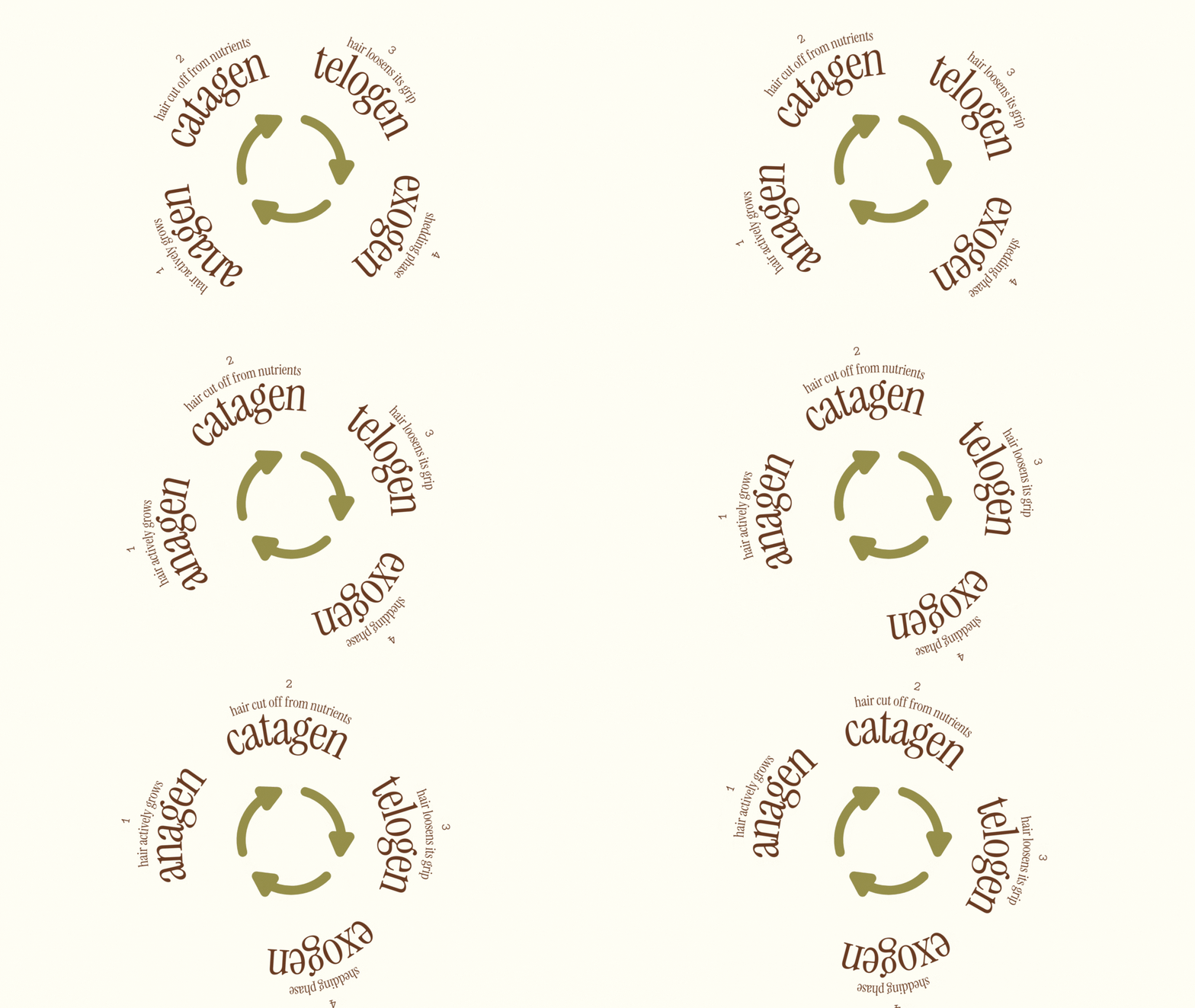
Understanding the hair growth cycle
Anagen Phase
This is where the magic happens. Hair is actively growing, typically around half an inch per month and can stay in this phase for several years. Around 85–90% of your hair is here at any given time.
Catagen Phase
A short transitional stage where growth slows and the hair follicle begins to shrink. The strand detaches from its blood supply, preparing to rest. Only a small percentage of hairs are in this phase at once, 3%ish.
Telogen Phase (the resting phase)
Hair growth pauses. The follicle rests while new hair begins forming beneath the surface, ready to replace the old strand. It's essentially the hair going into standby mode before it sheds.
Exogen Phase
The release. The old hair sheds naturally, making space for new growth to come through. Losing 50–100 hairs a day can be completely normal as part of this cycle.
Right, so what’s the connection between weight loss and hair loss?
Getting the right vitamins and minerals can be frustratingly difficult when you're on GLP-1. When you're eating less, the nutrients your hair needs to thrive are often the first to run dry.
This lack of nutrients pushes hair into the rest phase prematurely. The result? Much more shedding, with little prepped and ready to replace it. It's a disruption in the cycle — but one that usually corrects itself once your weight loss journey levels out and your body starts getting what it needs. Which is exactly why eating a balanced diet, or introducing the right supplements, is so vital when taking weight loss medication.
Losing hair on your weight loss journey? We’ve got you!
The reassuring news is that you're not alone, and we've seen brilliant results with our clients when taking an inside-out, outside-in approach. Read on for our recommendations...
From the inside, out
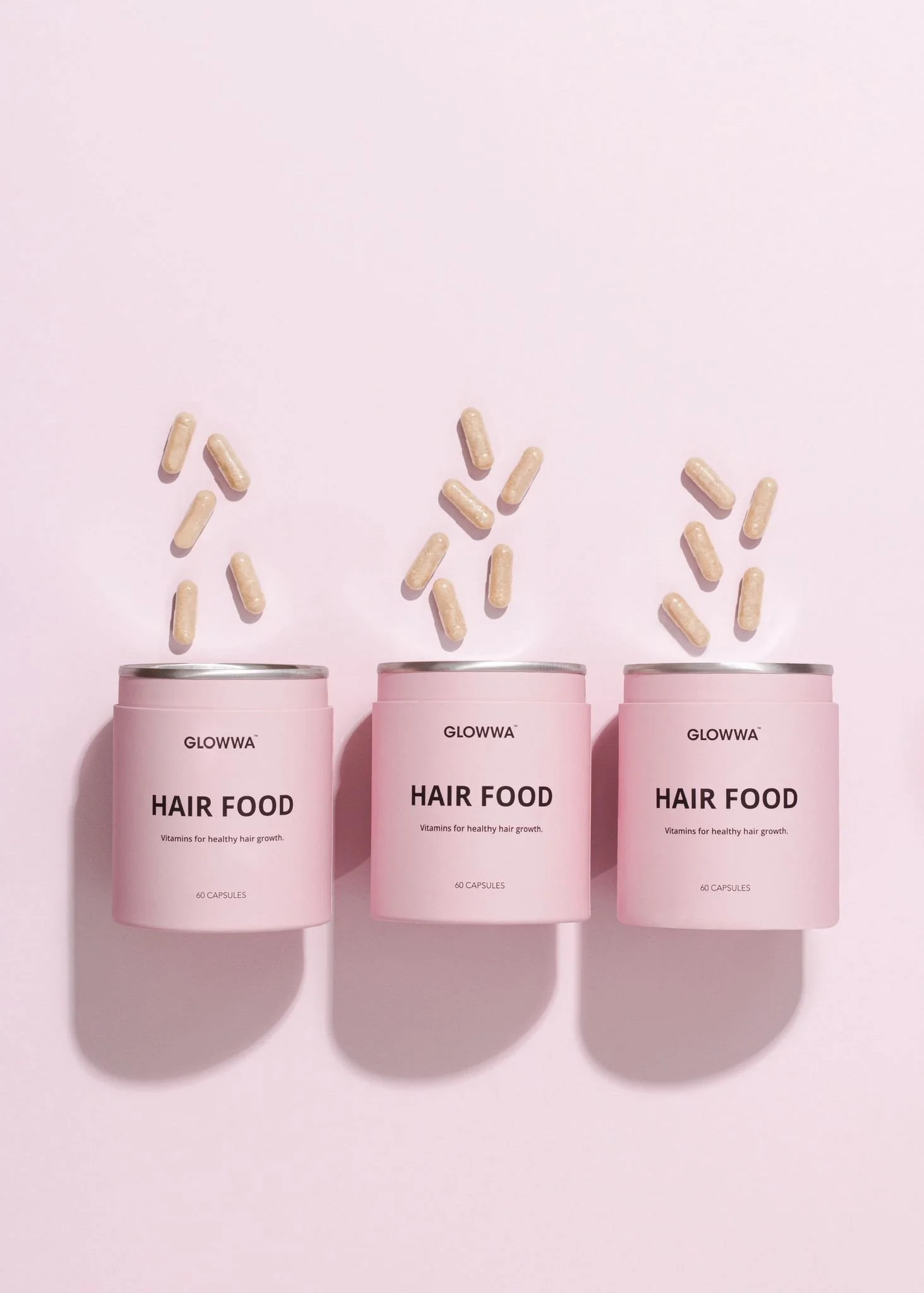

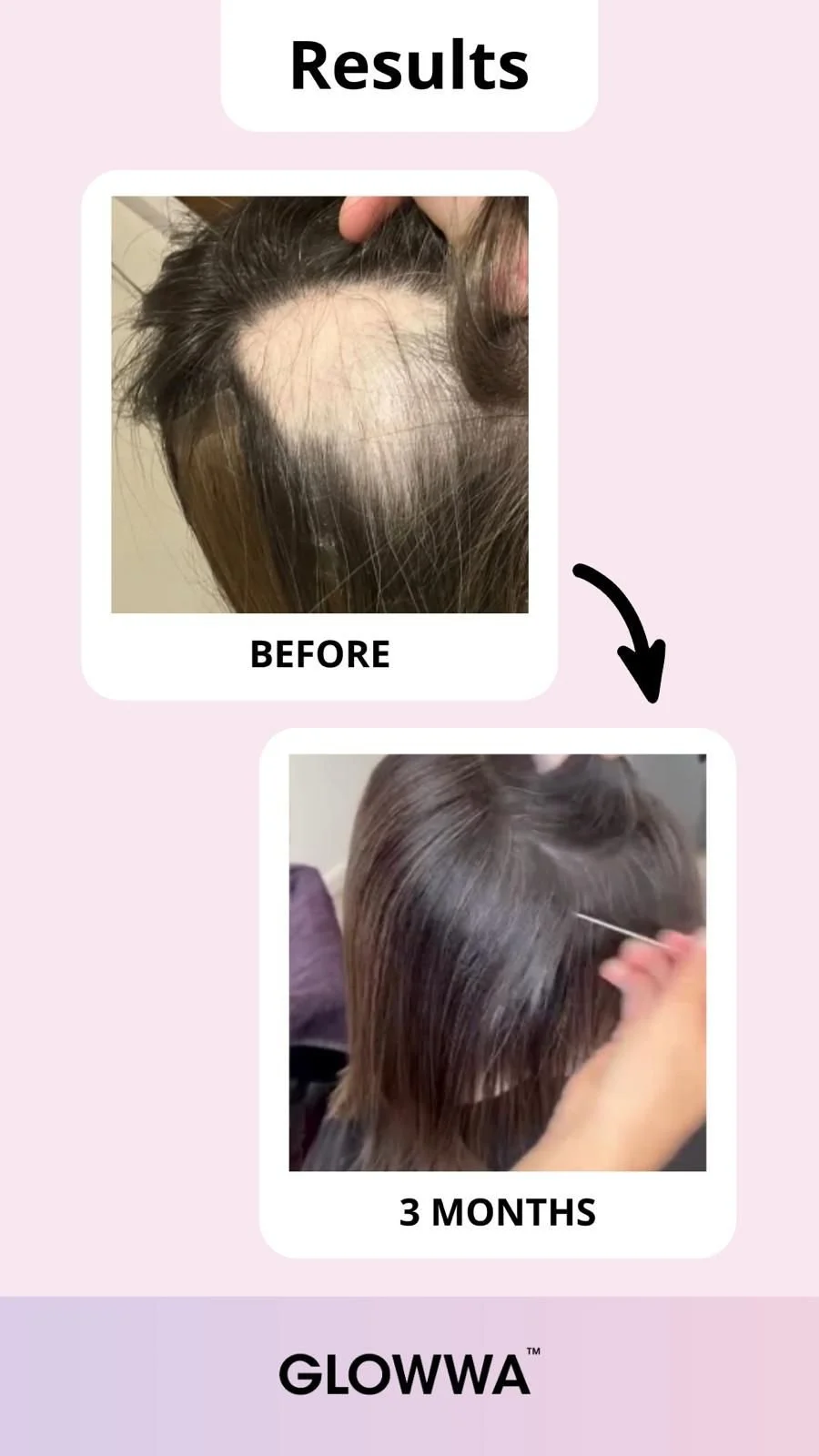
From the inside, nutrition is everything. When appetite is reduced, your hair follicles can be the first to feel it. Focus on foods rich in protein, iron, zinc and biotin — eggs, salmon, spinach and nuts are all essentials for the weekly shopping list. And if you're finding it hard to get what you need, a targeted supplement like GLOWWA can help fill in the gaps, giving your body exactly what it needs to get back on track.
From the outside, in
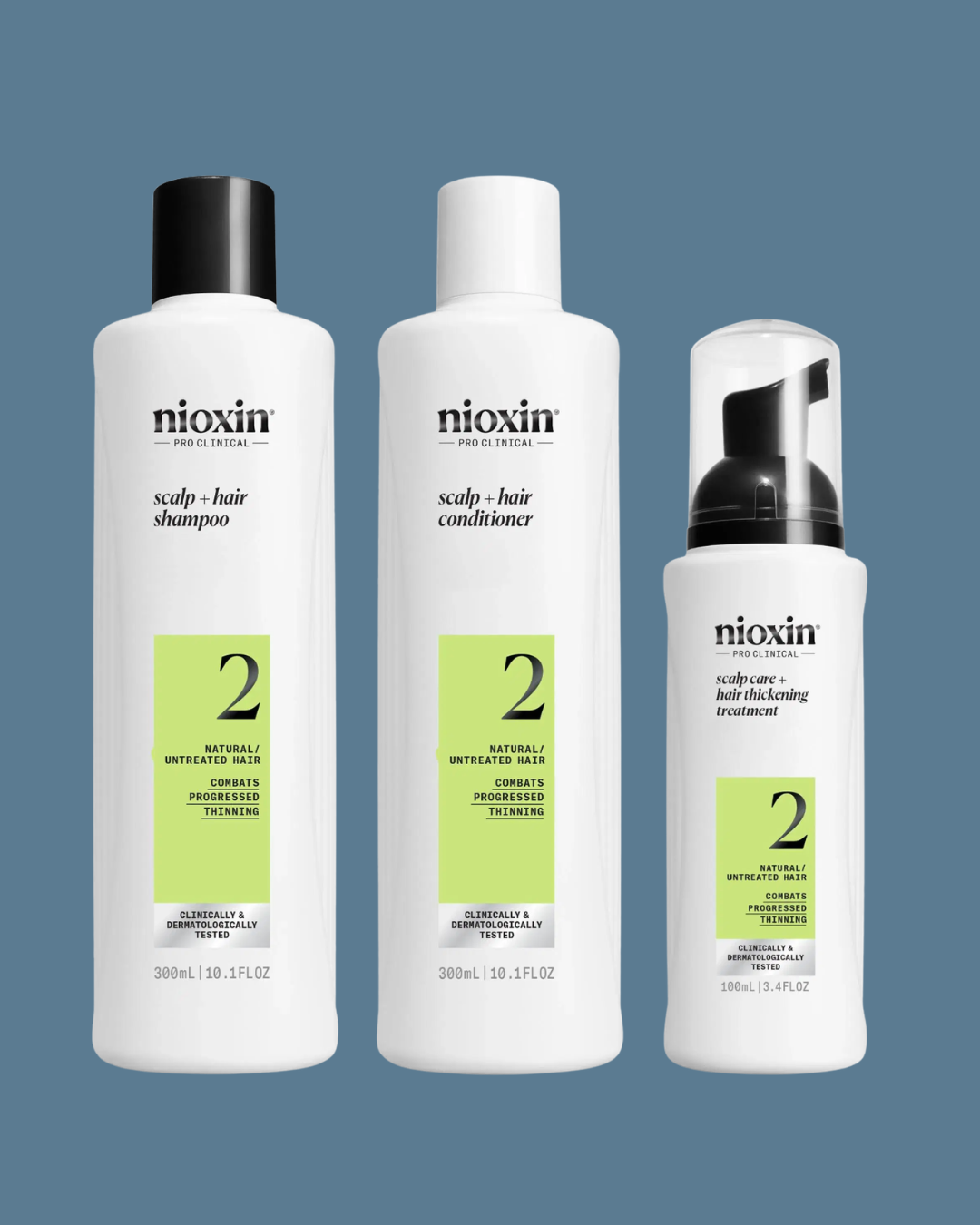

Nioxin is our go-to for anyone experiencing thinning or shedding — think of it as skincare for your scalp. It creates the ideal environment for thicker, fuller-looking hair. Drop into any of our three Edinburgh salons and we'll point you in the right direction.
Remember, good ol’ fashioned hair care rules always apply
Small changes can make a really big difference to our hair. Be gentle when brushing, detangle from the ends up (never root to tip!) and swap pillowcases for silk to reduce breakage.
Try not to overwash, keep heat styling to a minimum, and when you do use heat, always protect first. We know you know this!
Treat your scalp the way you treat your skin, massages increase circulation, and make sure when new hair arrives, it’s got the best chance of growing strong. Stay hydrated, manage stress where you can, and get regular trims to keep those ends healthy. A little extra love, consistently, goes a long way.